
Nepali Chiya Culture
The Chiya Pasal: How Nepal's Tea Shops Became Its Living Rooms
Chiya Table · 9 Oct 2026
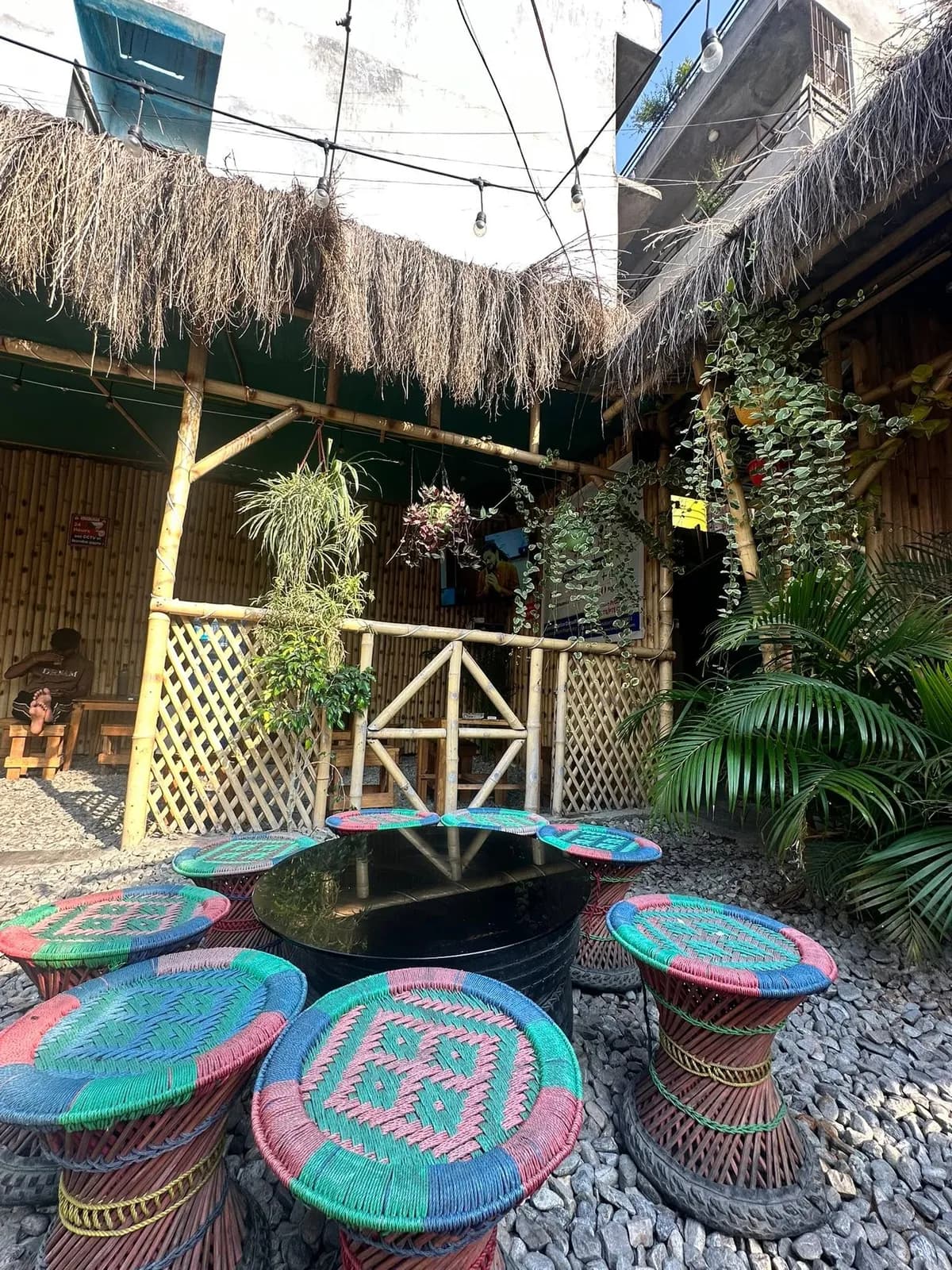
Every neighbourhood in Nepal has one: a small chiya pasal with a kettle that never seems to stop boiling, a couple of wooden benches, and a group of regulars who know each other by name.
More than a shop
A chiya pasal sells tea, but that's not really why people go. They go for:
- Guff (chat). News, rumours, politics, cricket, family updates: all of it happens over tea.
- A pause. Ten minutes on a bench between errands.
- Company. For many people, the tea shop is where they see their friends every day.
That's why people often say the chiya pasal is Nepal's living room.
The rhythm of the day
Tea shops follow the city's rhythm. Early mornings bring walkers and workers. Late mornings bring shopkeepers and students. Afternoons, especially around 4–6 pm, bring the biggest crowds, as people take a break before heading home.
From benches to cafes
Kathmandu's tea scene is changing. Alongside traditional stalls, the city now has hundreds of cafes, many with bigger menus and more comfortable seating. Some people worried that cafes would replace tea shops. In practice, many new places borrow from the chiya pasal: affordable tea, simple menus and room to sit and talk.
What we kept from the chiya pasal
When we created Chiya Table, we wanted the warmth of a neighbourhood tea shop with a little more comfort:
- Affordable chiya: cutting tea starts at Rs. 30.
- Long hours: we open at 5:00 AM and close at 9:30 PM.
- Space to talk: garden seating under bamboo and thatch, made for long conversations.
Take a look at our gallery to see the space, or find us on Kotdevi Marg.